
Across Canada, only about 2% of nurses are nurse practitioners.
This role lets nurses take on responsibilities which used to be reserved to doctors.
For example, a nurse practitioner can diagnose patients, call for tests, help people manage chronic conditions and even perform minor surgical procedures.
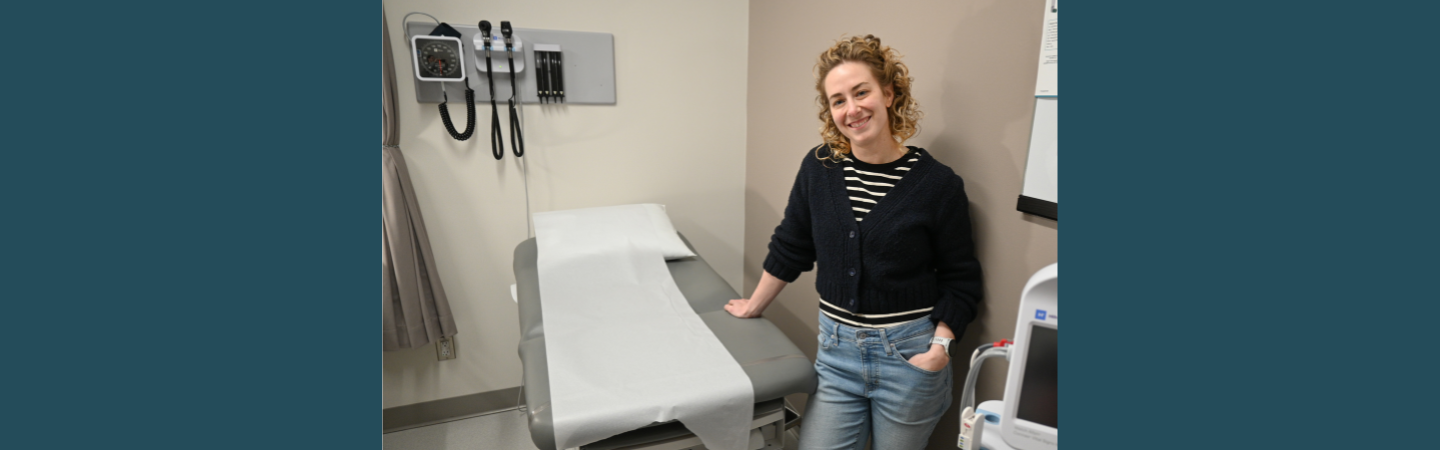
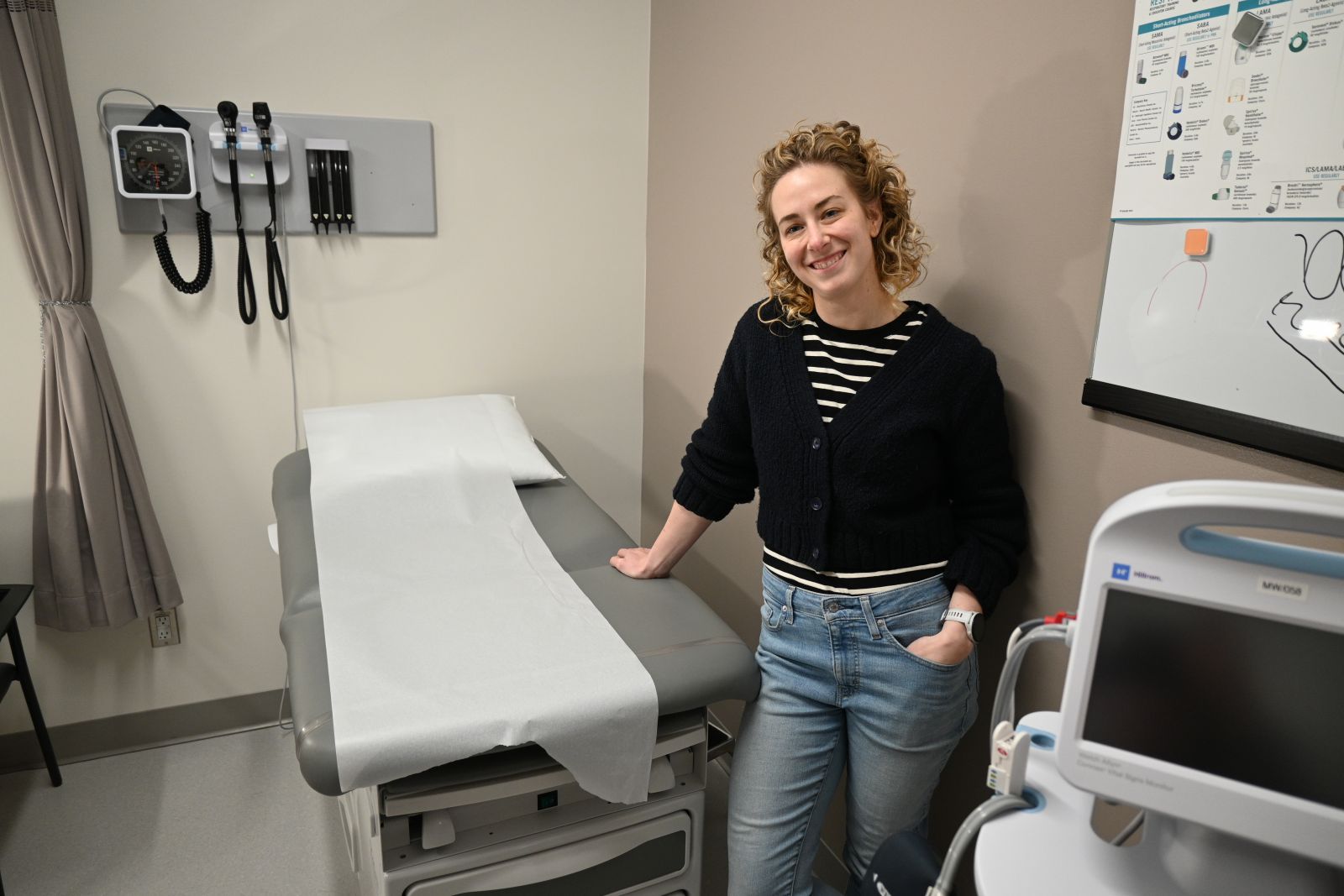
Today we meet Randeelyn who is a nurse practitioner in Whitehorse.
She speaks about her career path and her unique role.
Let’s begin at the start. When did you decide to go into nursing?
I’d say my interest started when I was in high school or middle school. I was always interested in biology and the body and how those systems worked. I was also fascinated by shows like Grey's Anatomy that really glamorized health care.
Looking at those medical dramas, I thought nursing seemed like an interesting profession. I like to be active, I like to be busy and when you are in nursing or health care you're pretty much always going. So that lifestyle appealed to me.
Also I like working with people. I like having those interpersonal relationships.
How did you get your start in nursing?
At first I studied to become a registered nurse. Early on, I developed a love for acute care because I thought it was thrilling. In the first years of my career I worked in an emergency room in Fort Qu'Appelle Saskatchewan.
During that time I had a wonderful mentor.
Her name was Heather Keith and she was a nurse practitioner. She saw in me a drive to pursue my nursing and saw that I wanted to make a difference.
With her encouragement, and the encouragement of physicians I worked with as well, I started doing remote work in Saskatchewan. There I got a lot of experience and autonomy. I was able to do cancer screening. I was able to diagnose acute disorders: Tonsillitis, ear infections, fevers, etc. I had the experience of covering when the community did not have a doctor on site. I got to work with individuals and prevent the progression of diabetes, hypertension and cardiovascular disease.
That experience inspired me to become a nurse practitioner.
My passion was always in community and working with vulnerable populations and trying to meet their needs.
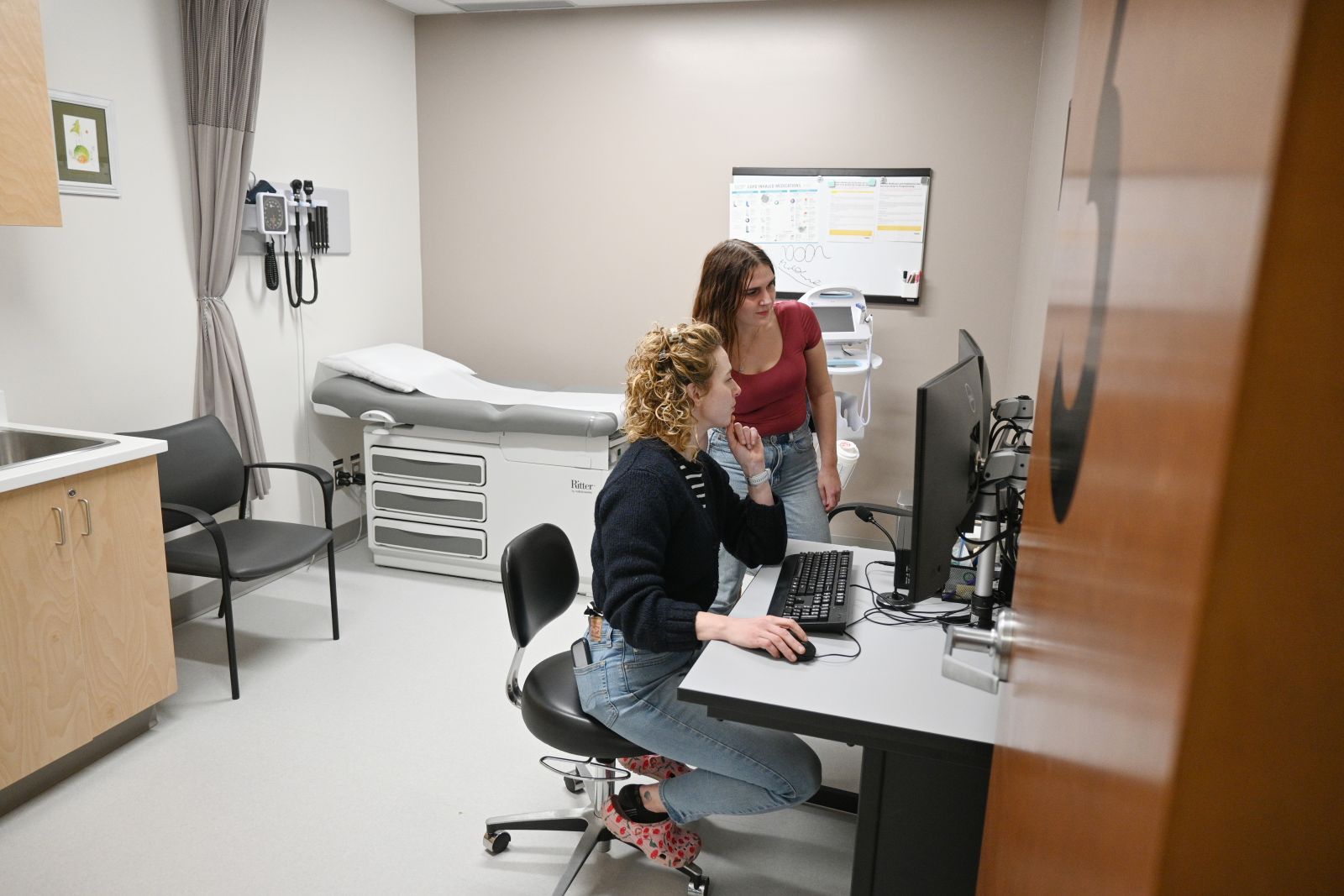
You have a wide range of responsibilities as a nurse practitioner. Could you tell us about that?
As a nurse practitioner, you can prescribe medicine, you can diagnose ailments. You can also perform certain procedures, for instance women's health procedures. That means IUDs, pap insertions, endometrial biopsies and things like that.
We can help with the removal of lesions or abscesses. We can also do Corticosteroid injections which calm inflammation in the shoulder or knee.
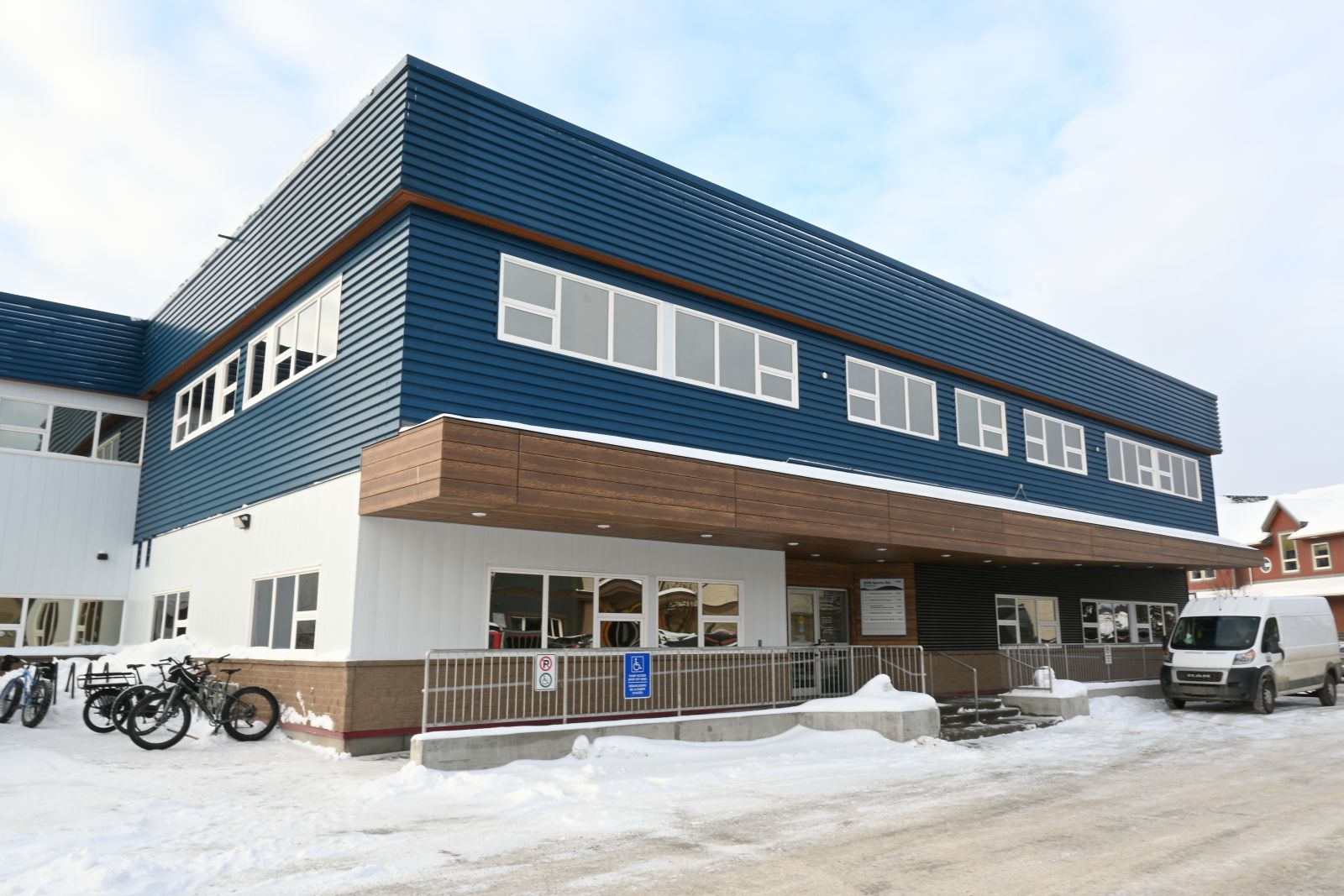
And we can do all that here at Constellation Clinic.
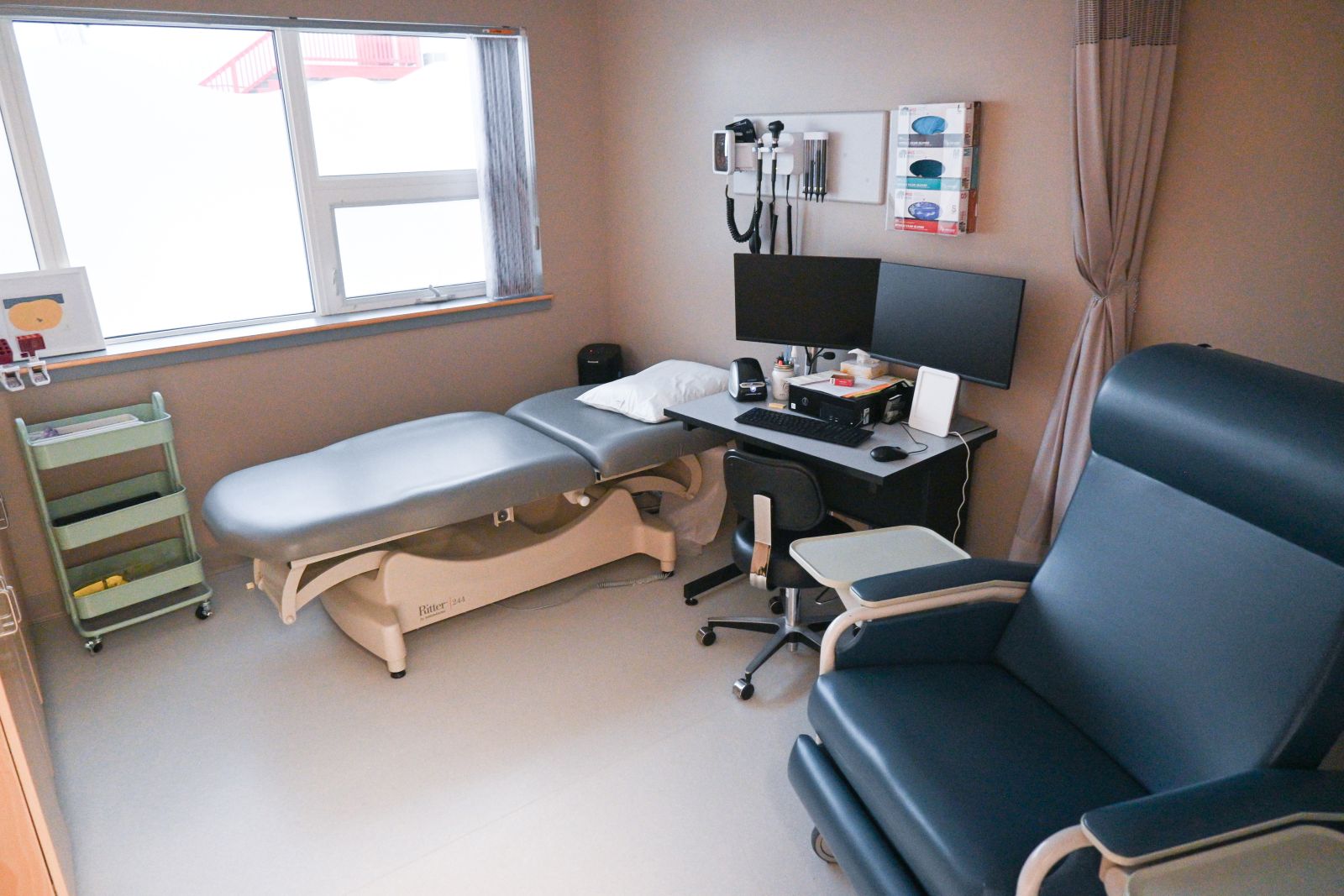
What do you like about your work?
I like that we follow more of a nursing model of care. Due to that, I think we do get a little bit more time with our clients which is lovely.
In our clinic, the Nurse Practitioner appointment structure is usually 30 minutes. That means that I generally have more time to see my clients. I think this allows for both the provider and client to not feel pressured in the appointment and also for open-ended conversation.
If I have a patient with really complex needs, I can book an hour. Instead of trying to do that work in minutes.
Any favourite tools or technologies to mention?
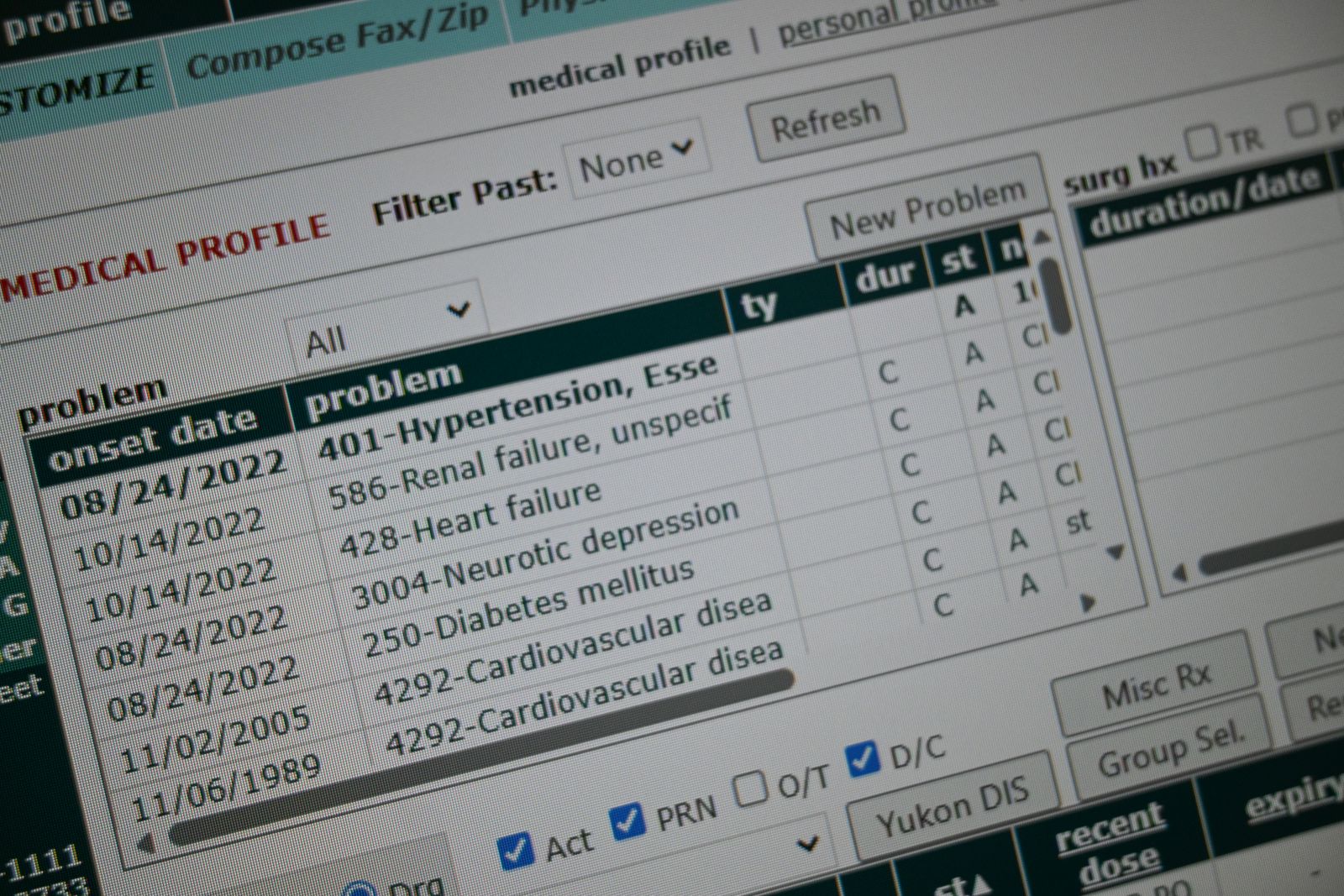
One thing I like is the electronic medical record system. The EMR allows for providers to better find patient information in their chart. All labs, diagnostics, consult notes, community consults, and more, are found easily. Being able to type instead of write has allowed me to be more efficient with charting but also helped relieve my carpal tunnel symptoms.
Recently as well, we’ve started going into AI and we have a program called Heidi Scribe. This is a documentation scribe where it listens in to conversations and then uploads it into a template.
I do find that system saves me a lot of time.
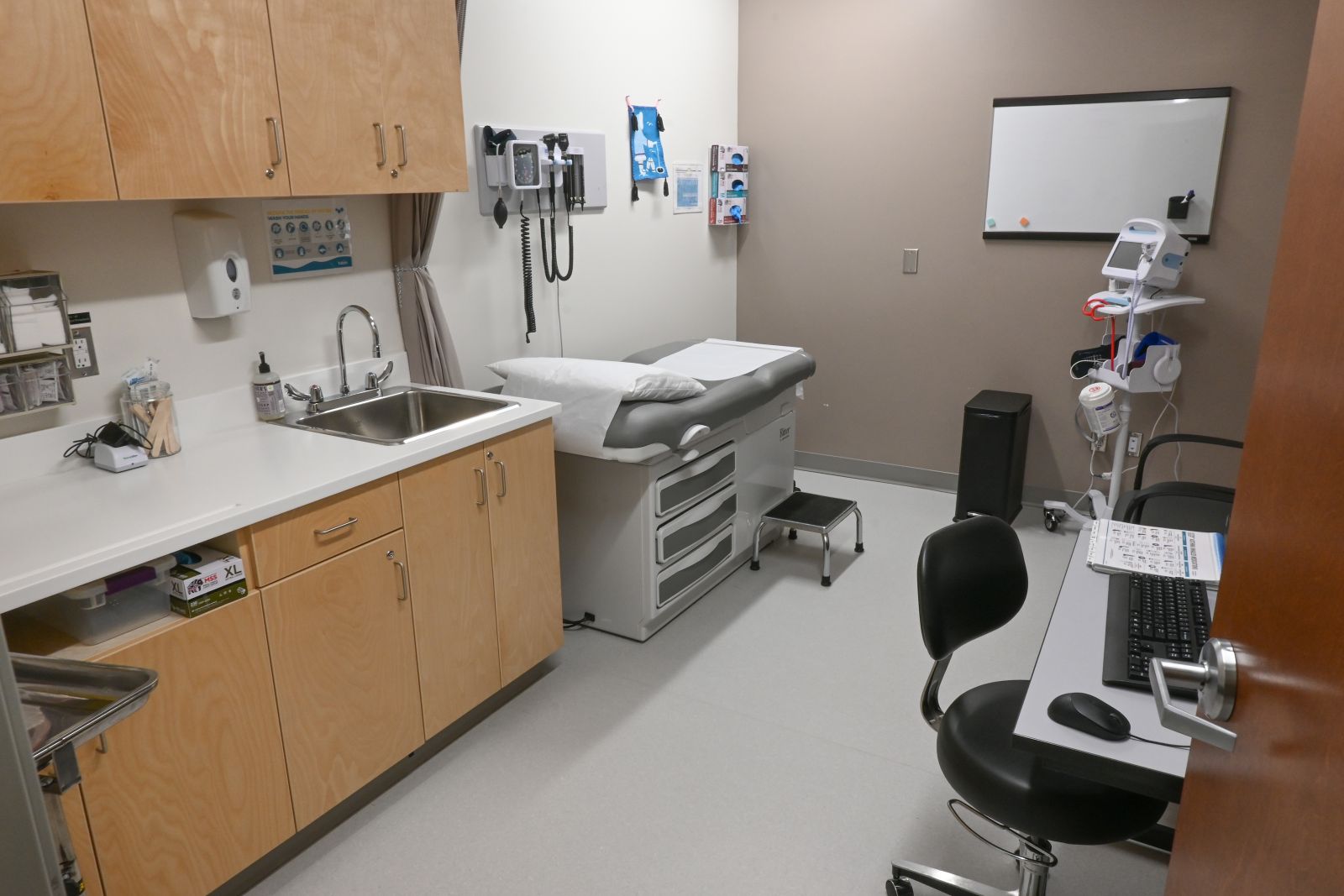
What do you like about a clinical setting like the Constellation Clinic?
Compared to remote nursing or fly-in roles, I find it’s a much better arrangement for family life. Here at the clinic I work from eight until six. And my family lives in Whitehorse full-time. So it’s just a lot easier for family life.
We have a really good supportive team as well.
We have great communication.
And I also like my patients! I've grown quite close with some of my patients. Here, you can develop that trusting relationship with people.
Also I just love Whitehorse and the Yukon. It's the best place to live in the world as far as I'm concerned.