
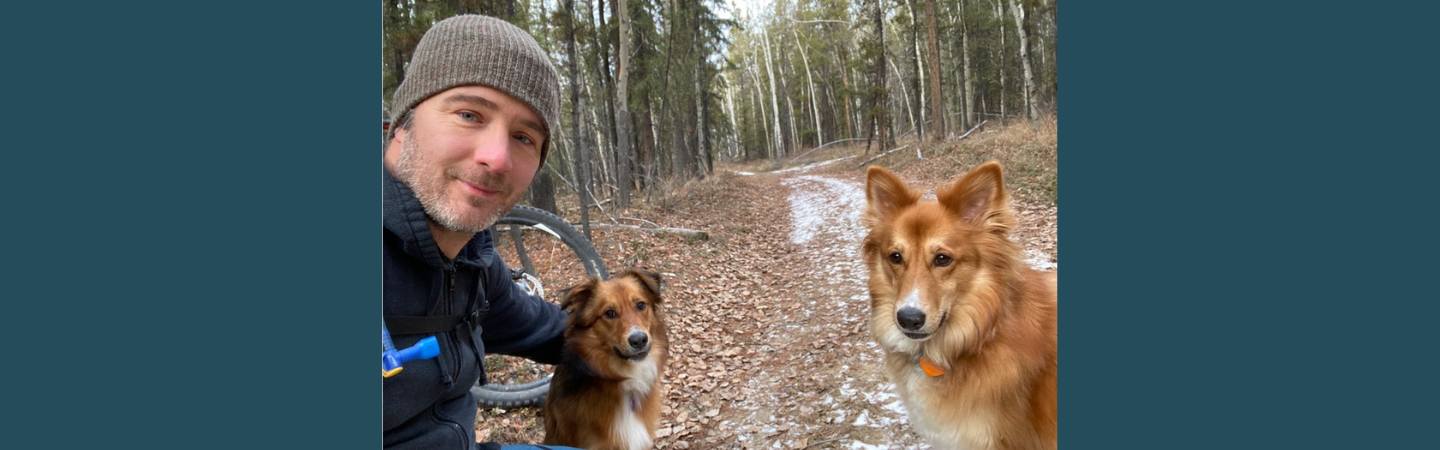
Meet a Yukoner who helps make sure children have safe, caring homes.
When children in Yukon cannot live with their parents, the Government of Yukon helps find temporary care.
Social workers assess caregivers and match children with families who can support them.
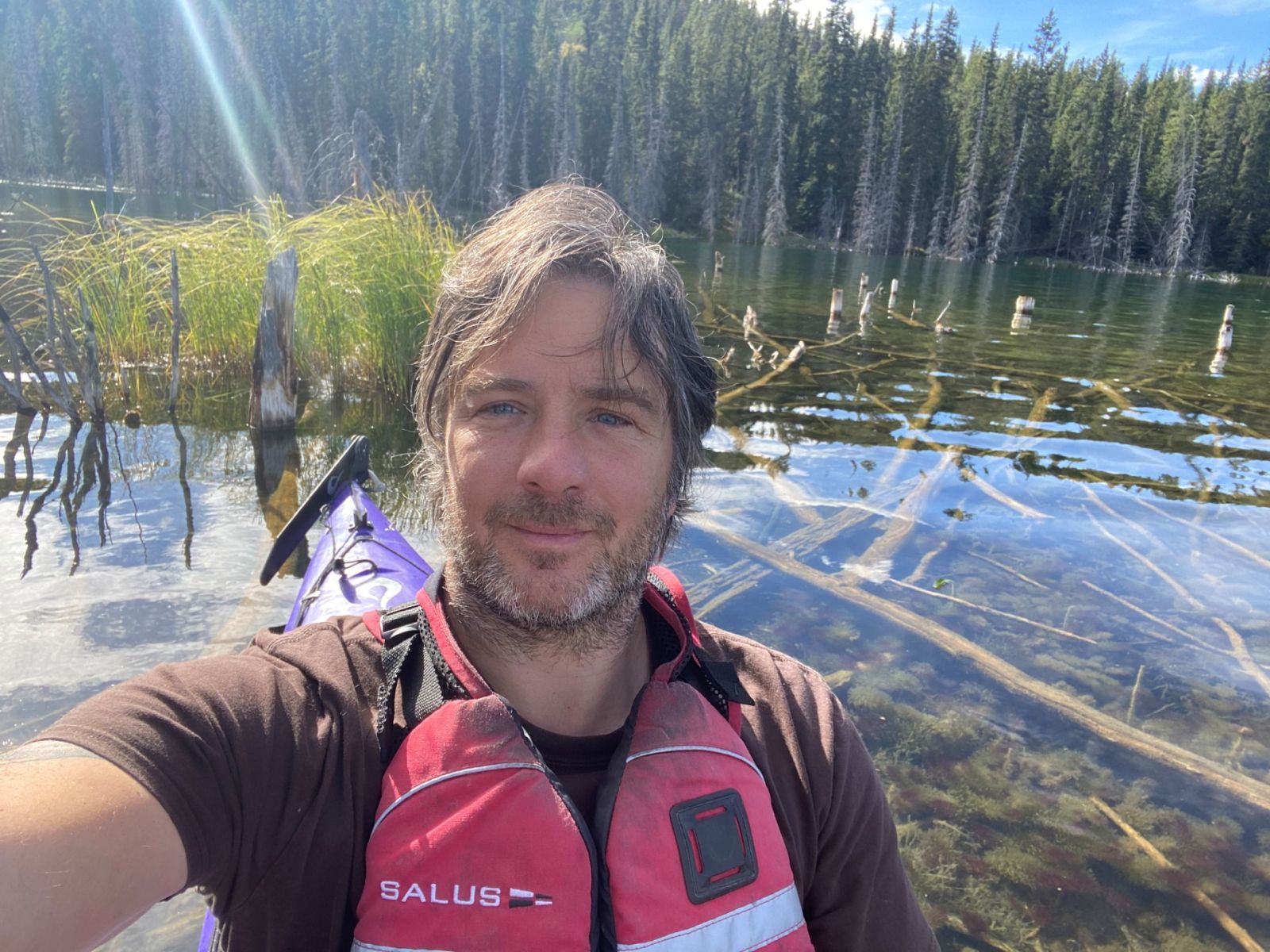
Matthew, you’re a social worker with a specialization. Can you tell us about your role?
I work in placement services. What we do is we work on behalf of children who have entered the Yukon’s care system. We place them with caregiver families. This used to be called foster care.
These placements are temporary, while we work toward reuniting children with their families.
I meet with potential caregivers and assess whether they can provide a safe home.
What makes someone a good caregiver?
Caregivers must pass a criminal record check and a child welfare check.
We also look for people who:
- Understand child development and trauma
- Work well with children
- Are caring, patient and reliable
We look for people who value family and community.
Caregivers need to work closely with us, as well as with the child’s family and community.
The goal is to help the child feel safe, included and supported; while staying connected to their own family and culture.
What is important is that the child really feel they’re part of that new home while still understanding that they still have family and community elsewhere.
How do you work in an Indigenous context in the Yukon?
It’s important that children living in care are still able to connect with their community and culture.
We work closely with First Nations across Yukon.
If a child is Indigenous, we work together with their First Nation to approve and support caregiver families.
This is a shared process.
We recognize that every child has a right to stay connected to their culture, community and family.
How did you get into this line of work?
I worked as a support worker for about ten years mostly with adults with disabilities. That shifted to working in care homes or residential homes while I got my social work degree. I have been with the Government of Yukon since 2014.
What do you like about your work?
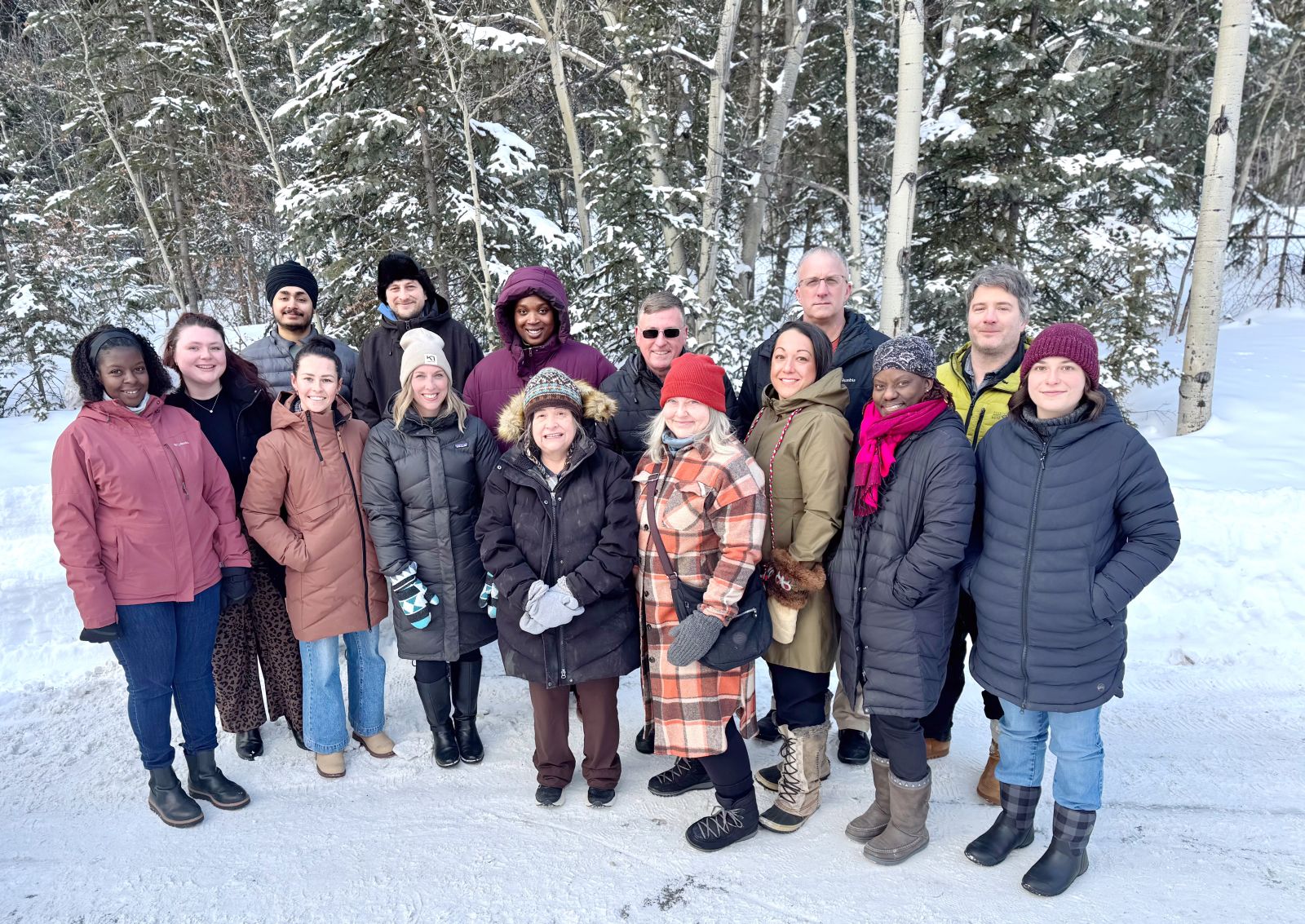
I have a great team. I we all work quite well together. We're supportive. People are very confident in what they do.
I know that if I have a question or need support, I can go to any member of my team. And they could come to me.
I do appreciate the ability to be able to place a child in a home with caregivers.
Knowing a child is cared for and accounted for is the best feeling.
Would you have any advice for someone considering social work?
It is very rewarding work, but it takes patience and optimism.
There are challenges and progress can take time.
There is no magic wand in social work, but the impact you make is meaningful.