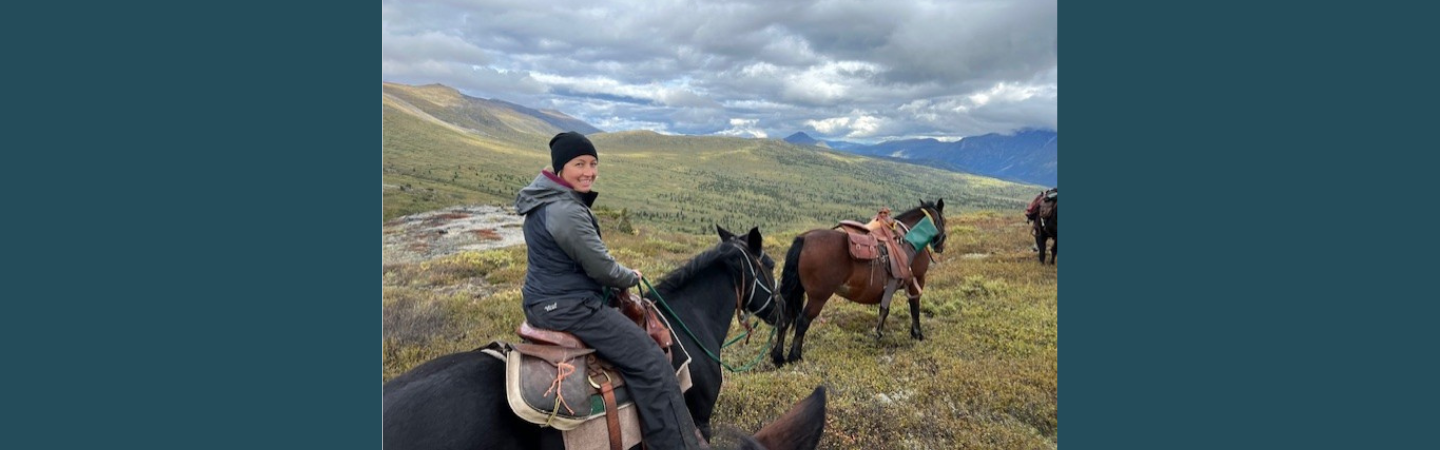
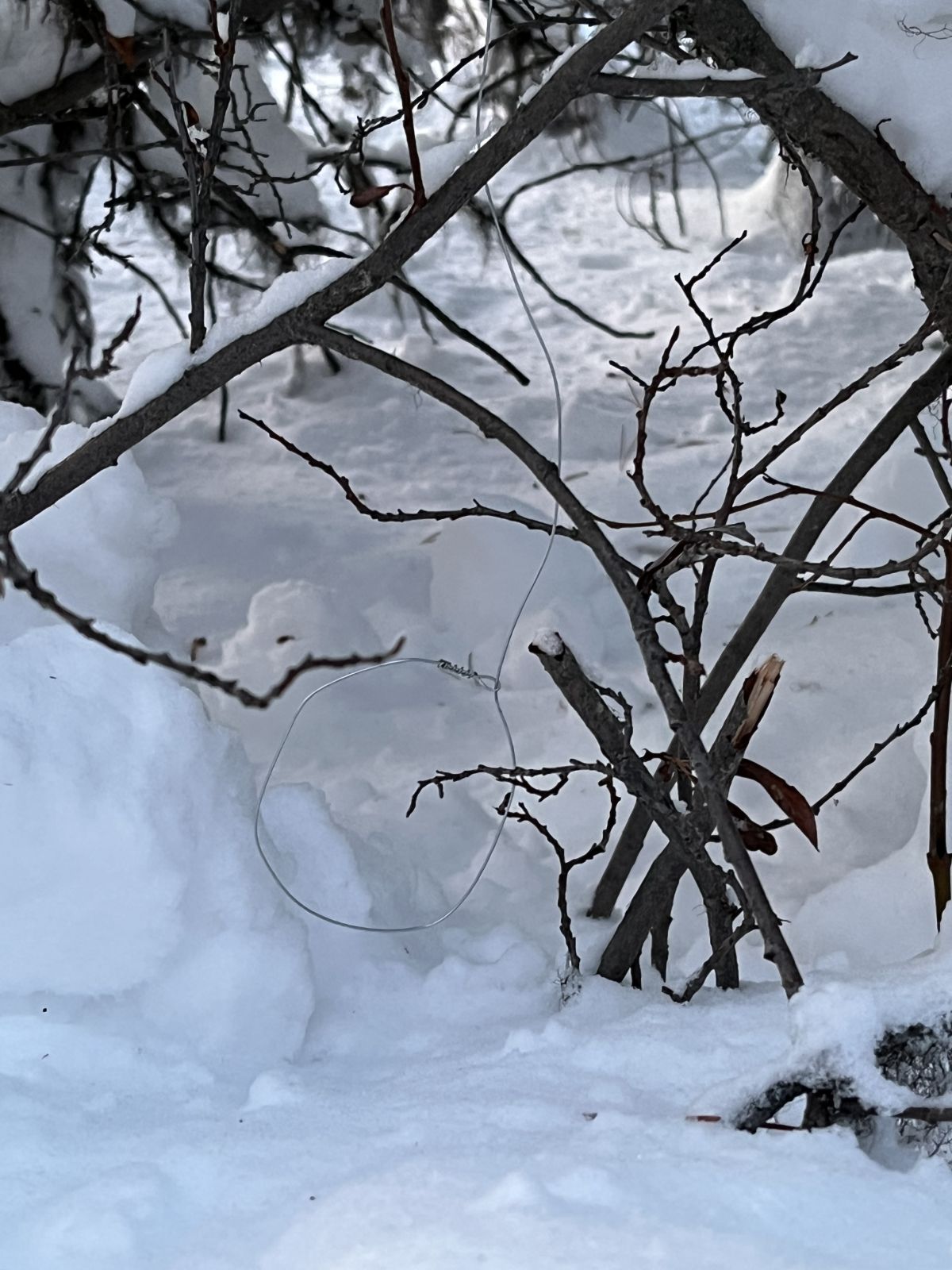
Recently Kaylea’s day at work included a hike on snowshoes and learning to set rabbit snares.
It’s something she did alongside youth from different group homes in Whitehorse.
In the Yukon, some children, youth and young adults live in a group home setting. They are supported with safe housing, nutritious meals, counselling and professional guidance as they work towards living independently.
There are 7 group homes in Whitehorse.
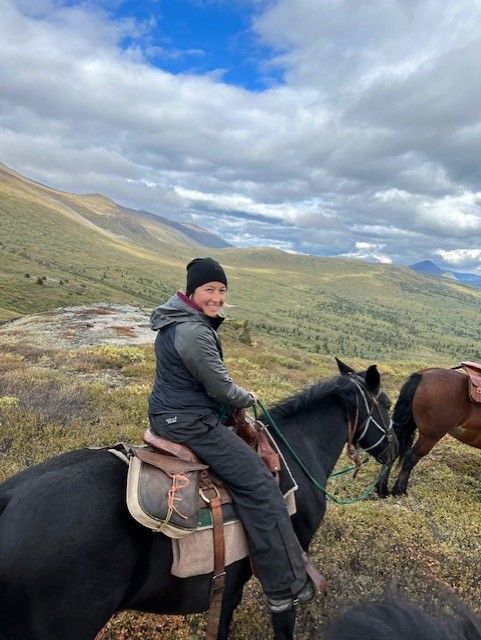
Kaylea’s job as a cultural resource worker is to help with efforts to foster Indigenous culture.
A career in partnership
Kaylea is a citizen of Champagne and Aishihik First Nations and work is done in partnership with the Council of Yukon First Nations and individual First Nations.
She takes great pride in her career. She primarily works with children and youth, while also occasionally supporting young adults
She describes her career as “hands-on, community driven, and deeply rooted in tradition creating meaningful opportunities for connection, learning, and belonging.”
She says her goal is to build meaningful relationships, create trust, and support young people in ways that feel genuine and impactful.
“My work helps to connect youth to the land, to community, to identity and to a sense of belonging,” she says.
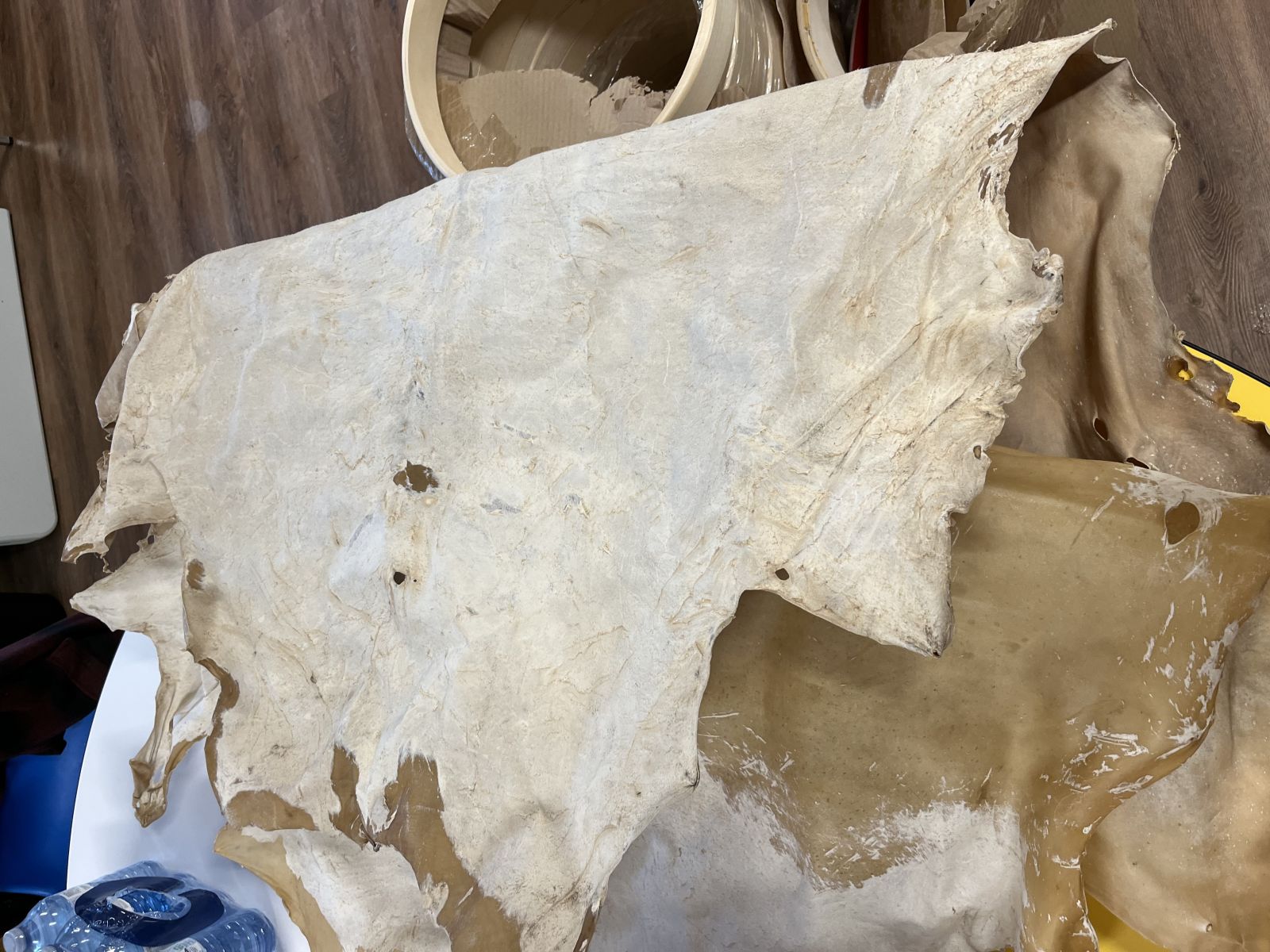
Recent events in Whitehorse have included traditional hand game nights, drum-making workshops, teachings on preparing dry meat and cutting fish, as well as a variety of other land-based experiences.
On a recent outing with Council of Yukon First Nations staff, youth hiked to learn about traplines and how to set rabbit snares, using snowshoes all while gaining practical skills while strengthening their connection to the land.
Kaylea says the impact of these activities is immediate and inspiring.
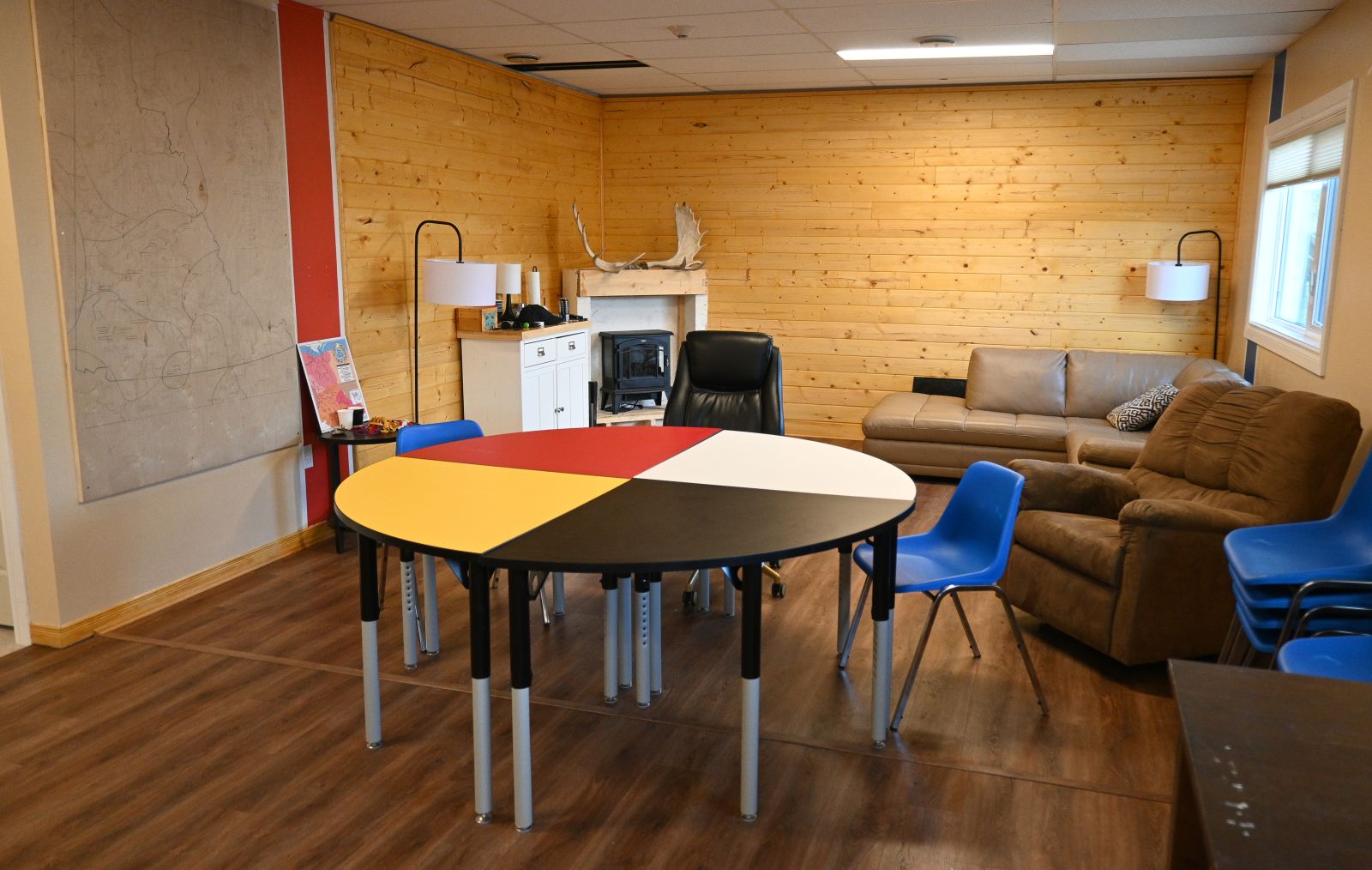
“When youth participate in cultural activities - whether it’s drum-making, being out on the land, or gathering at Nts’äw Chua - you can see meaningful shifts in so many ways. They smile more, engage differently and connect with each other, all while showing pride in themselves and their heritage. These experiences help strengthen their sense of identity, build confidence, and support their healing journey. We celebrate resilience, develop a sense of belonging, and build trust with staff and community members. Most importantly, they carry forward cultural knowledge and traditions, grounding themselves in something larger than their immediate circumstances,” she says.
Support that extends into adulthood
One interesting difference about the Yukon is that group home supports extends into adulthood.
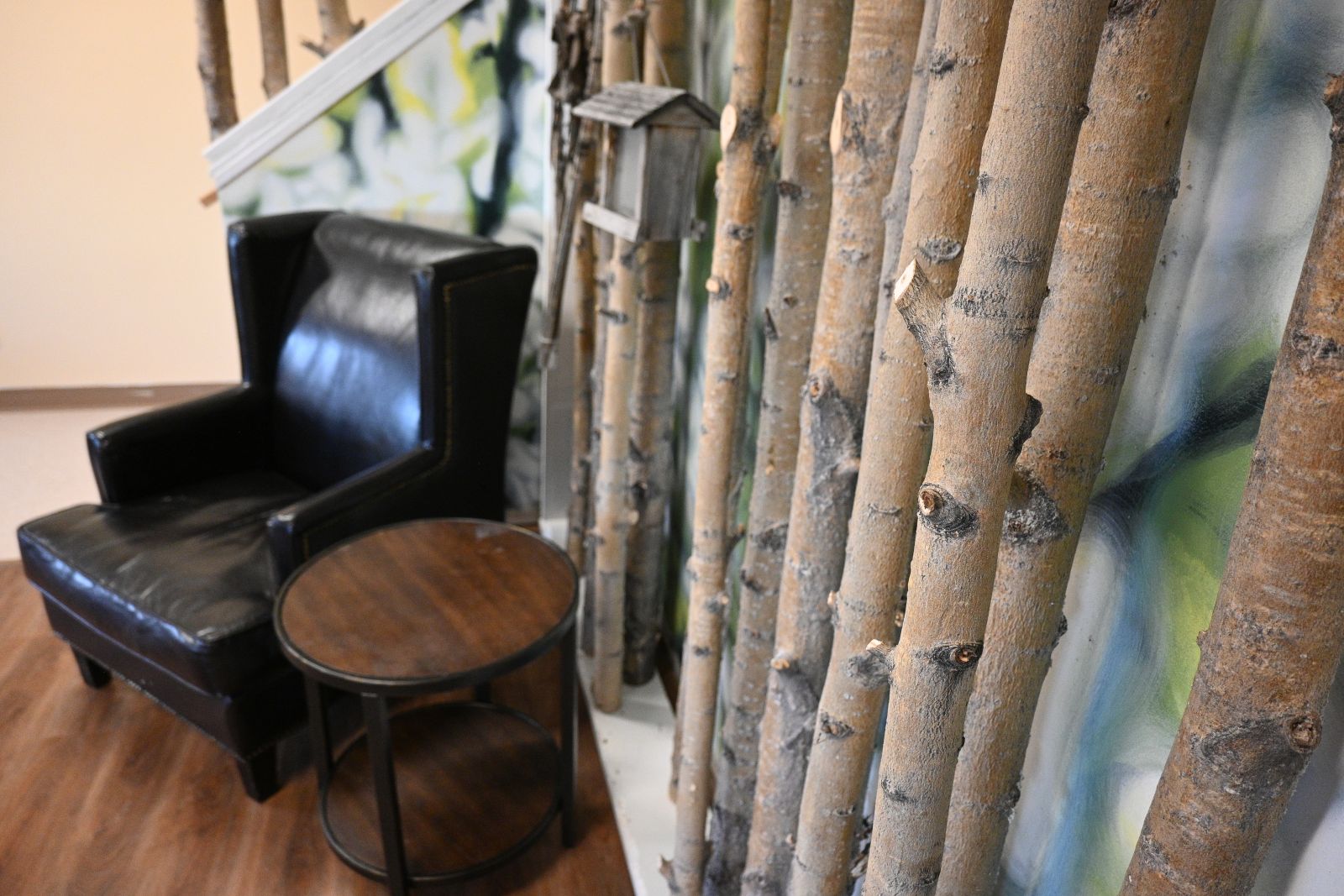
At one of Whitehorse’s seven group homes, which is called Nts’äw Chua, supports extend to residents up to the age of 26.
This extends care during a critical period when many young people are still building stability, education, and career pathways. This extended support sets it apart from many transition homes across Canada.
For Kaylea, the mission is clear: help young people thrive.
“At the heart of it, every young person deserves to be safe, supported, and thriving in their own home and community. When that isn’t possible, being in care becomes part of their journey - not as a replacement for family, but as a space where safety, stability, and connection can still be nurtured. I truly believe our responsibility is to ensure that while youth are with us, they feel valued, respected, and surrounded by people who genuinely care about their well-being and future,” she says.
Kaylea wishes to thank partners, Elders, knowledge holders and staff who continue to walk alongside youth and create opportunities that strengthen connection to community and culture.
“I often say with my own family, it truly takes a village to raise these youth - and that is exactly what we do,” she says.