
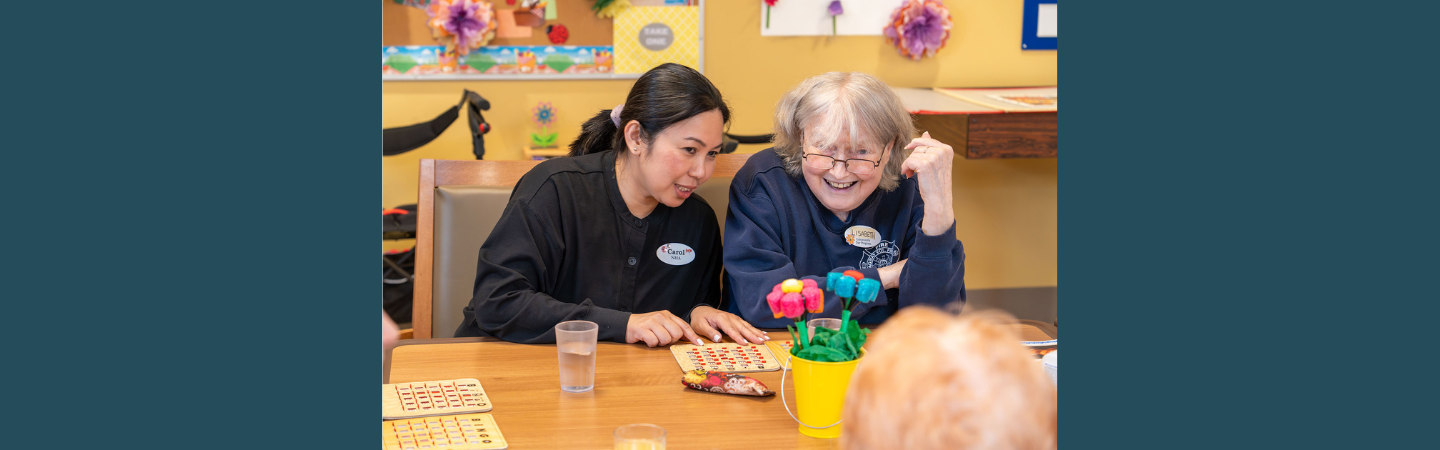
Let’s visit a Whitehorse program that supports Elders, seniors and their caregivers. It’s called the Seniors and Elders Community Day Program.
As the name suggests, it runs during the day to support Elders and seniors who have been assessed as eligible for this service. Many clients who attend reside with caregivers who work during the day or need respite, while others live independently but benefit from the support and connection provided through attending the program.
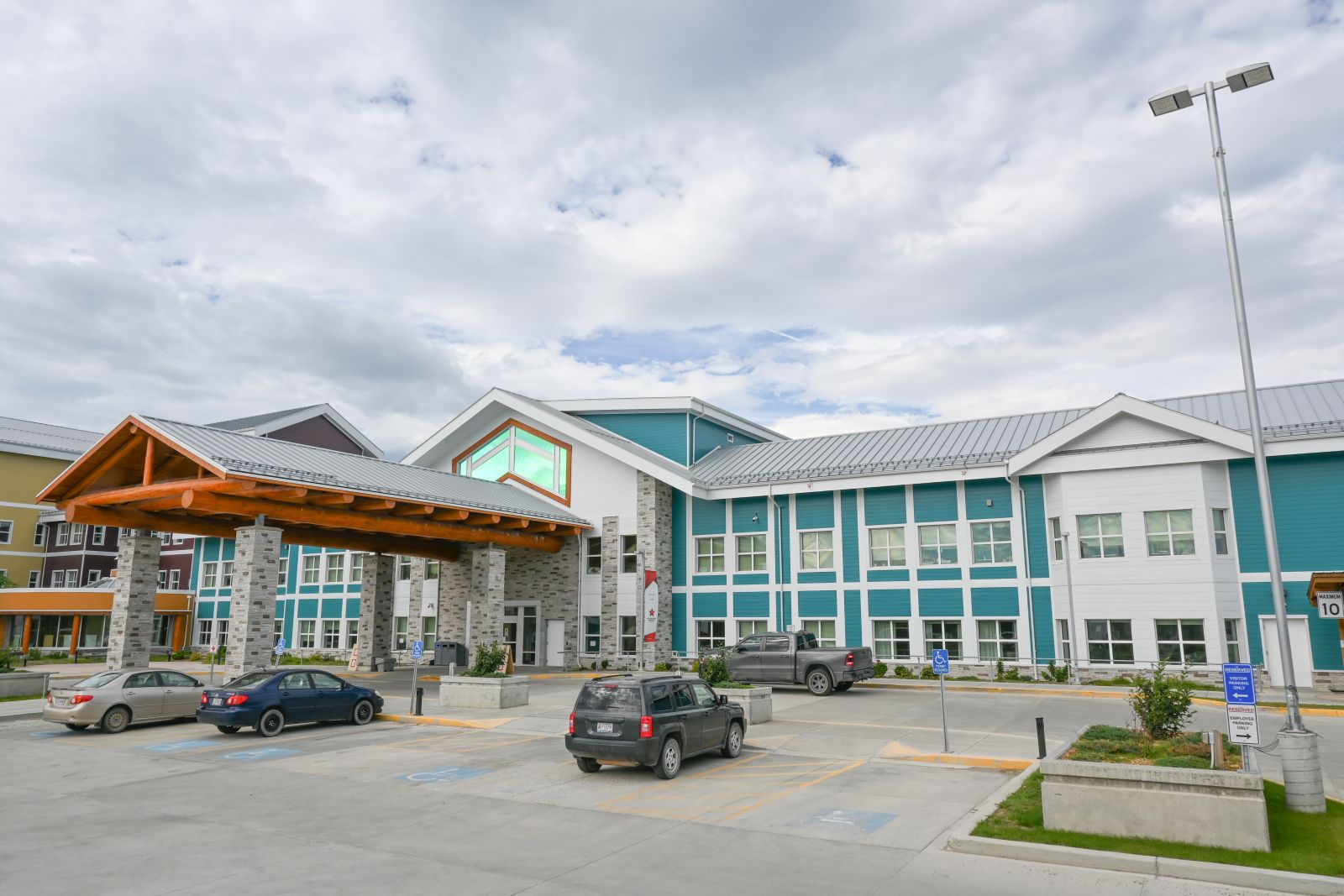
Running Monday to Friday from 8:30 am to 4:30 p. out of Whistle Bend Place, in Whitehorse, the Community Day Program provides a safe and welcoming space where clients can connect, stay active and maintain independence.
It is targeted for individuals experiencing mild to moderate cognitive decline, such as dementia, and participants must require physical, social, emotional or recreational support or have a caregiver requiring respite services.
Services provided are based on assessed needs and may include therapeutic and recreational programming, support for independent living, help with daily activities such as bathing or hygiene, social opportunities and access to nutritional meals and snacks.
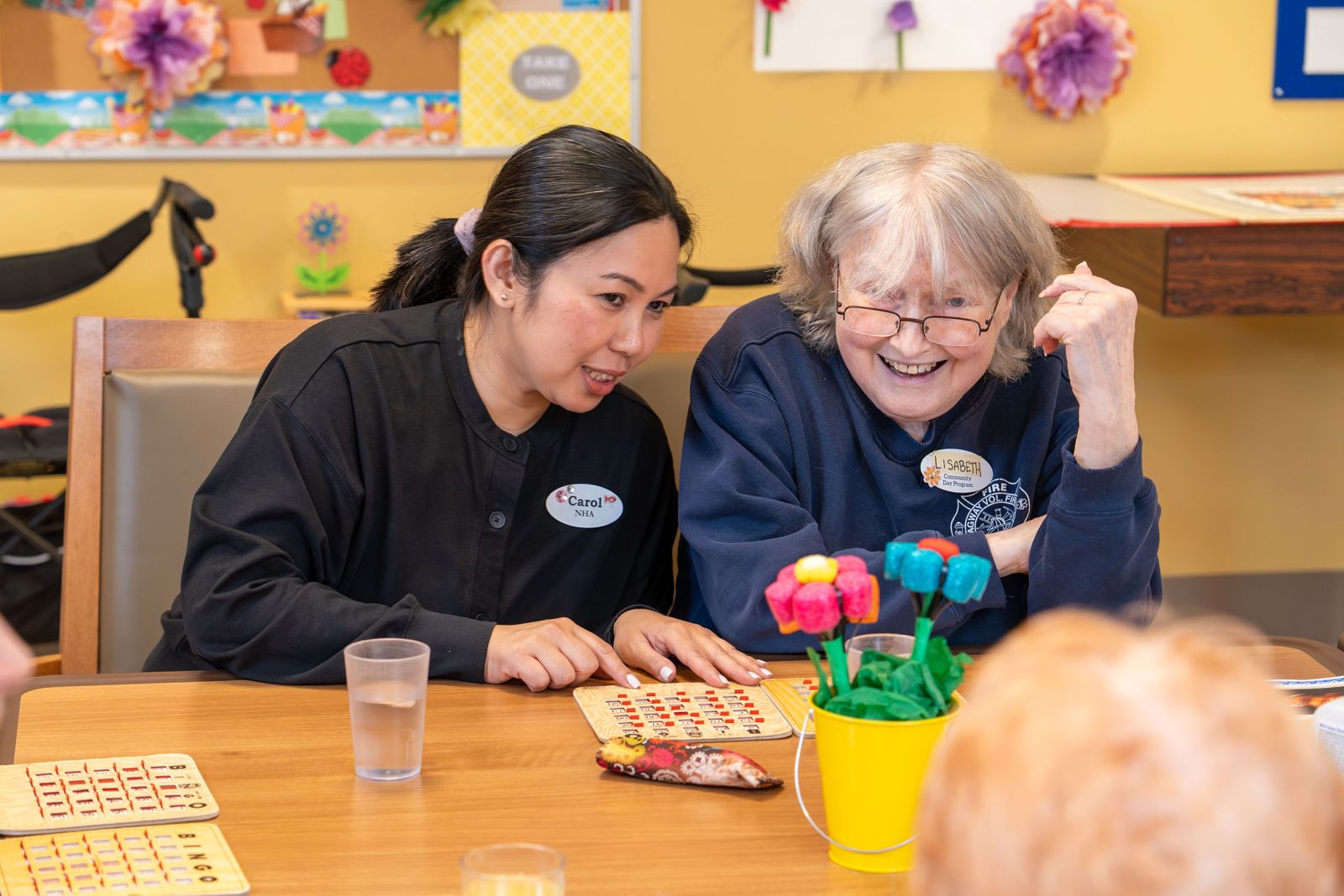
Carol Ann has worked with continuing care since 2012 and joined the Community Day Program team in 2022. She finds her career deeply fulfilling and takes pride in supporting both clients and their caregivers.
We spoke with Carol Ann about the program, what she has learned through her work and what she enjoys most about living in the Yukon.
What do you like about working in the Yukon?
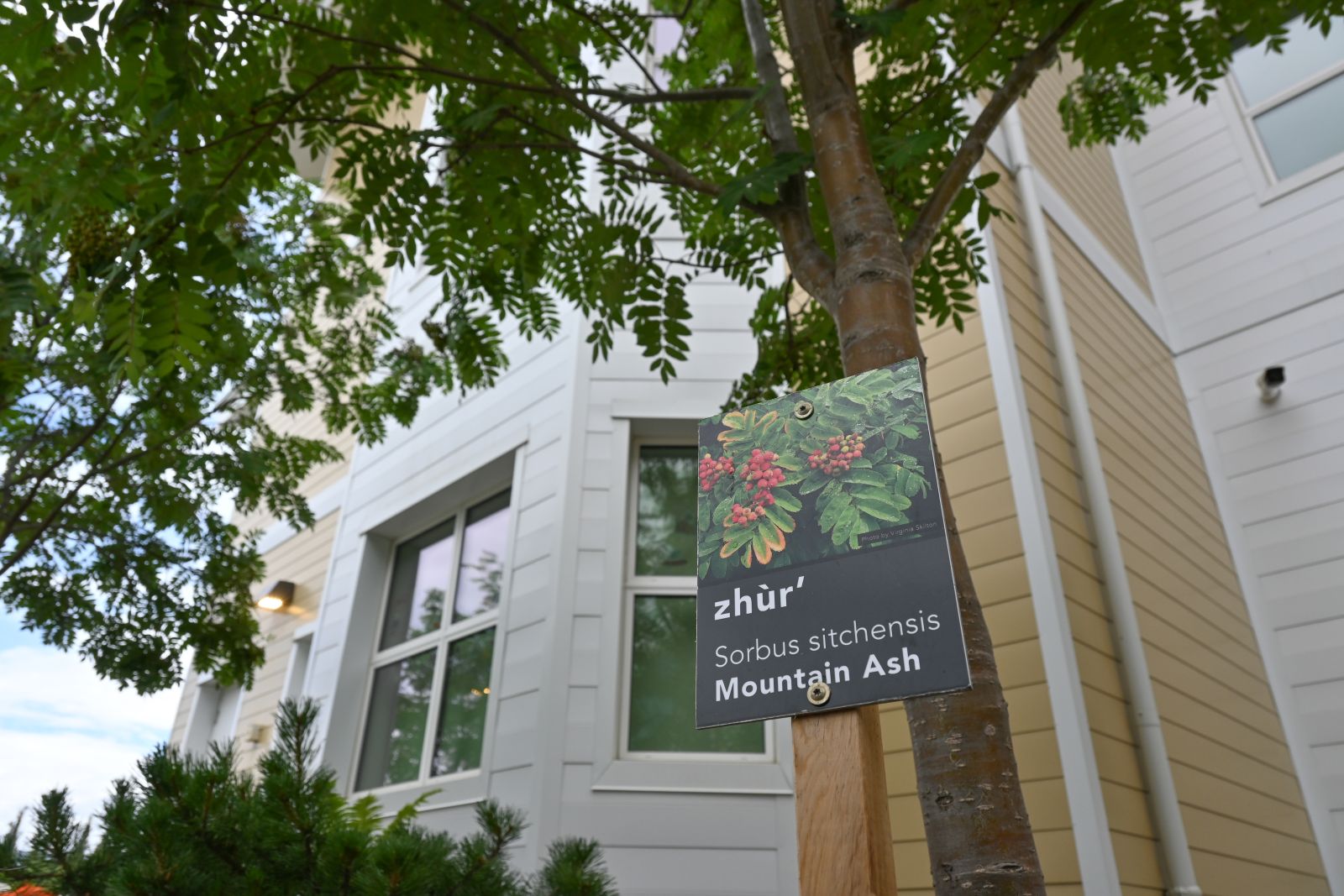
I love working in the Yukon because life is simple and laid back. People here are very friendly. I love watching the vast landscapes right in our backyard, the pine trees and the snow that covers the mountains. It’s a beautiful place to raise my kids.
What would you tell, a young person who is maybe thinking of this type of career?
I think this is a very rewarding job. It offers good pay and benefits, but beyond that, the work itself is meaningful.
It can also be challenging. The role is often physically demanding, especially when we need to perform lifts. And it can be emotionally difficult as well. We work with a vulnerable population, and you naturally become attached to the people you care for. When someone passes away, it takes a toll.
There are emotional challenges, too. Patience is essential, especially when supporting people who may have dementia or other conditions. The job requires empathy, compassion, and the ability to put yourself in someone else’s shoes to understand their needs.
Above all, this work takes heart, patience, care, compassion, and a bit of humour to brighten someone’s day.
What do you do in a typical day?
On a typical morning, I start by preparing coffee for my clients. I set out newspapers or puzzles, and I turn on some background music, usually classics from the 1950s or 60s, or whatever they prefer.
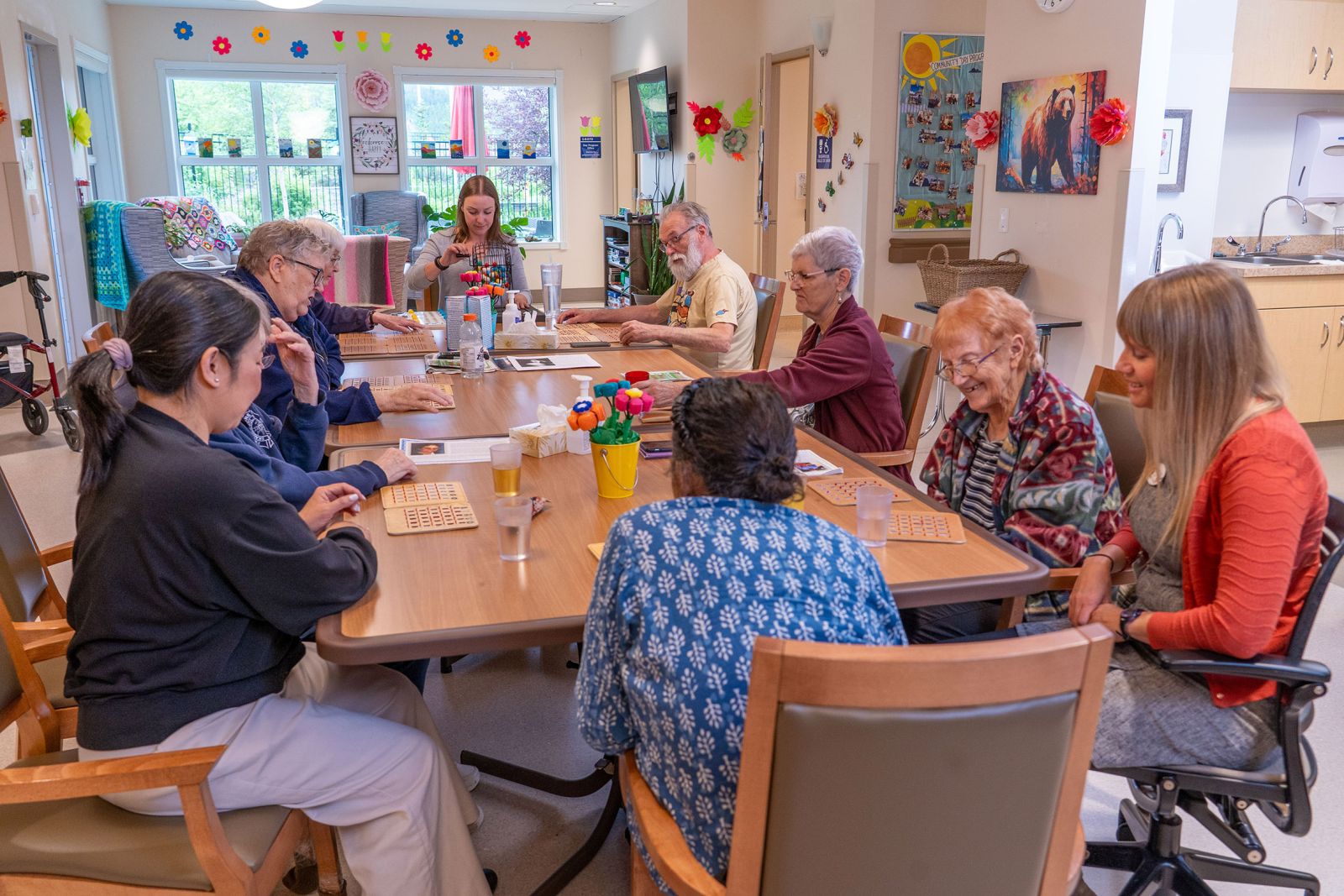
When clients arrive, I greet them and help with morning activities, including baths when needed. After lunch, we usually go for a walk. In the winter, this often means walking indoors through the hallways of Whistle Bend Place, and in the summer we get to enjoy walking outside.
Throughout the day, we offer therapeutic group programming, social activities, lunch and snacks, and lots opportunities for connection and engagement.
How did you become a health care assistant?
I became a health care assistant after completing the Health Care Assistant certificate program at Yukon University. I chose this program because it aligned closely with my educational background in the Philippines, where I graduated with a Bachelor of Science in Nursing in 2006.
Here in Whitehorse, I was able to find work right away. In fact, I hadn’t even graduated yet when I sent my resumé to Human Resources with the Government of Yukon, and that step opened the door to my career.
What’s your favorite part of your work?
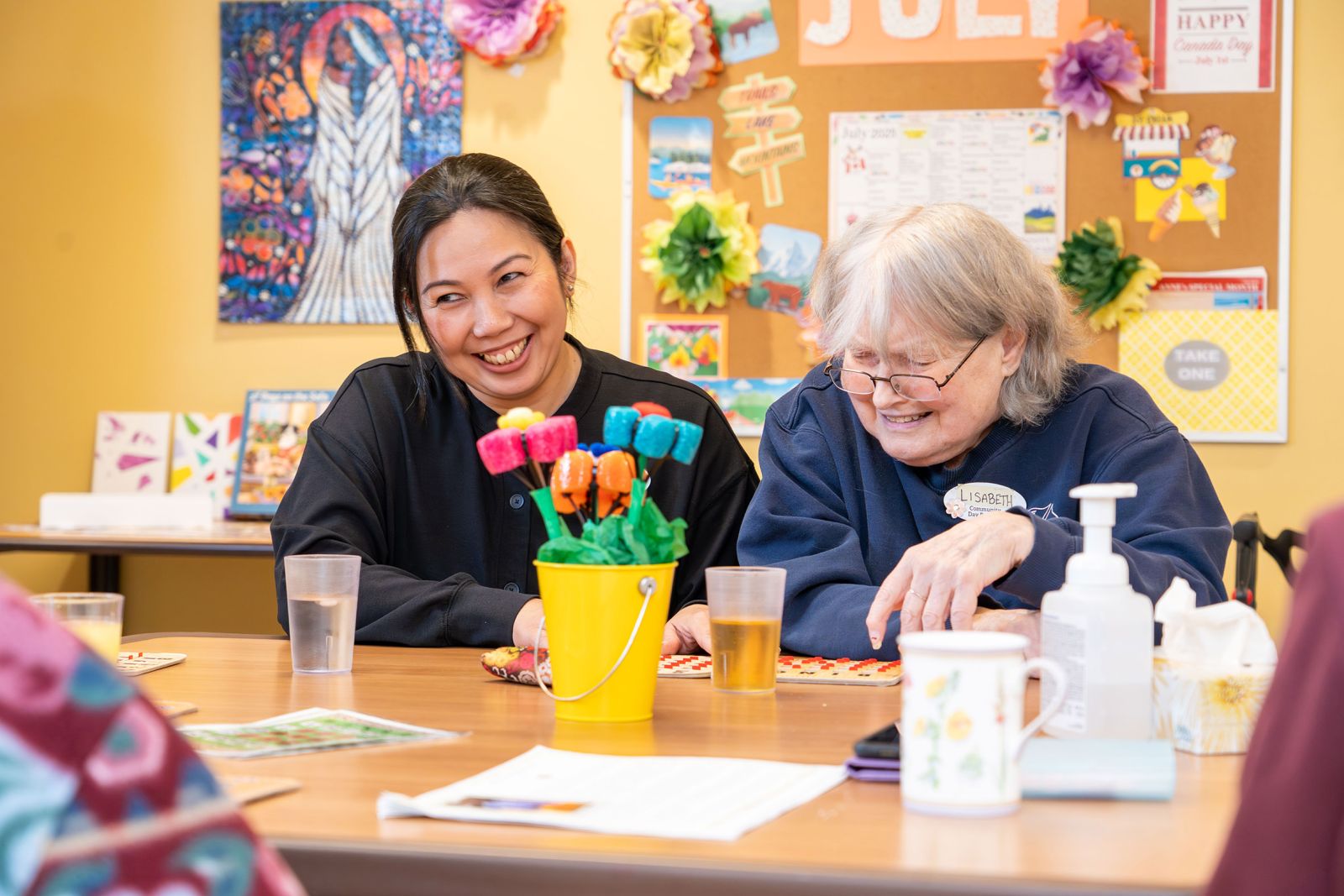
I enjoy talking with my clients and seeing them every day. We do a lot of recreational activities, and I love getting to know them and socializing together. I really appreciate having meaningful conversations with residents, hearing their stories, learning about their lives, and sharing experiences. I also have a very supportive team here. There’s a real sense of belonging, and it feels wonderful.
In this role, there is a deep sense of fulfillment because you’re helping people who can’t always help themselves. At the end of the day, you go home feeling satisfied, knowing you made a difference in someone’s life.
What have you learned on the job since graduation?
I have learned to be more patient and flexible. I’ve learned how to adjust to clients with different personalities, recognizing that each individual is unique.
I’ve also learned how to organize my day and be strategic. Working with different teams has taught me how to adapt, communicate well, and maintain professionalism, something that is very important to me.
I’ve learned to seek help when needed so I don’t get burned out. I now prioritize self‑care, take breaks when I’m stressed, and use my vacation time to prevent burnout and compassion fatigue.
I’ve also learned not to take things personally and to set healthy boundaries.
I am very proud of my work!